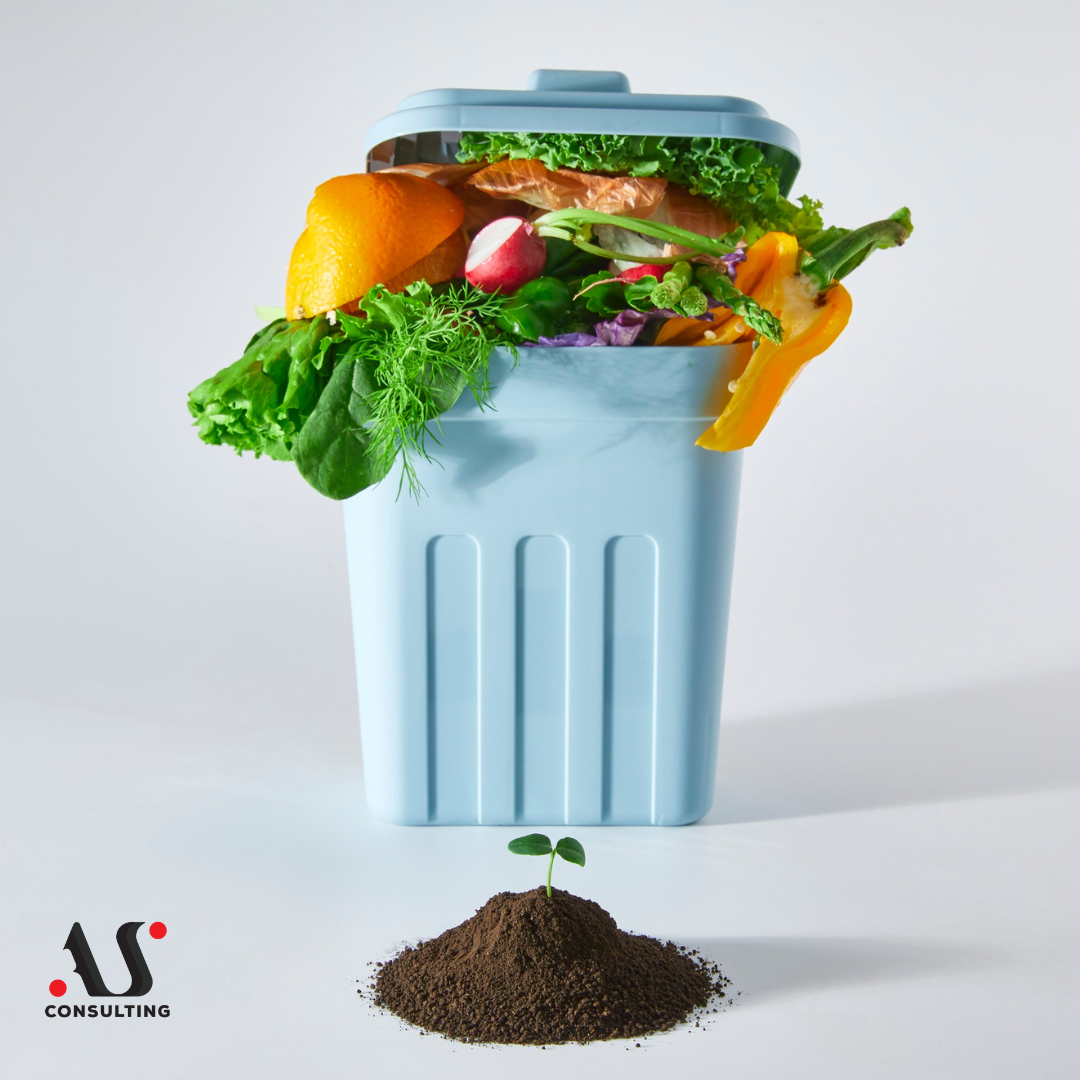
During any type of production, different types of waste are generated in the company. In order for the company to meet the legal requirements, as well as the requirements of the standards it applies, it must have a clear waste management procedure (rules). Speaking from the perspective of legislation and food safety management standards, the very application of the HACCP principle entails the obligation of proper waste management. Waste generated in the company can become a significant source of mechanical and microbiological hazards, as well as food for pests that can further threaten product safety and human health.
Waste management
Economic growth and development necessarily bring with them greater accumulation and generation of waste. On a micro level, with the increase in the volume of production of a company, with the increase in the volume of operations themselves, the generation of waste also increases, as well as the type of waste in the company. The generation of waste entails an inevitable (negative) impact on the environment, thus also an impact on the safety and health of people.
If we talk about the food industry, already during the cultivation of cultivated plants, we generate and release into nature a large amount of waste (and dangerous!), such as herbicides, artificial fertilizers, and now a large range of plant protection products. If we go further towards food processing and production, there we meet different types of waste, from the packaging of raw materials and finished products, to cleaning agents, machine maintenance and even organic waste itself (waste from raw materials, semi-finished products and finished products).
If the company does not properly manage different types of waste, it can become a significant factor in the negative impact on the environment. We will mention only some of the aspects of the environmental impact of food manufacturing companies:
1. waste water: large quantities of potable water are used in the production process, only to end up as waste water (washing of raw materials, processes, facility hygiene);
2. emissions into the air: different types of products carry with them different types of production processes, here we must not forget the logistics activities that cause significant emissions of harmful gases into the atmosphere;
3. impact on the soil: the already mentioned extensive use of various means during primary production (such as herbicides, artificial fertilizers, now a large range of plant protection products) and then during the processing and obtaining of food products, retailing and distribution of food, generation of various types of waste which is not managed according to legally defined procedures;
How to manage waste to meet the requirements of standards and laws? By fulfilling the legal requirements, we already fulfill a good part of the requirements of the food safety management system standards. Each of the GFSI-recognized standards, the chapter on waste management begins with a requirement to comply with legislation in the field of waste management.
The Law on Waste Management (in RS it is: Zakon o upravljanju otpadom, “Sl. glasnik RS”, br. 36/2009, 88/2010, 14/2016, 95/2018 – dr. zakon i 35/2023) are defined :
- types and classification of waste;
- waste management planning;
- entities of waste management;
- responsibilities and obligations in waste management;
- organization of waste management;
- conditions and procedure for issuing permits;
- cross-border movement of waste;
- waste reporting and database;
- financing of waste management;
- supervision, as well as other matters of importance for waste management.
Therefore, by simply complying with the law, we cover the requirements of the standards that require:
- Compliance with all local legal requirements
- Separation and clear labeling of waste
- Removal of food waste from areas where food is produced and prevention of waste accumulation as soon as possible
- Removal of waste by entities that have permits for these types of procedures
- Compliance with legislation in case food waste is used in the production of animal feed
What needs to be implemented in the company in order for waste management to be effective? Nothing else but to comply with established Prerequisite Programs (PRPs). We will mention only some of the procedures:
- Waste material should be removed as soon as possible from the premises where food is kept.
- The accumulation of waste must not be allowed in the area where food is handled, as well as in the surrounding area
- The premises should have enough space for equipment/containers in which waste is disposed of, as well as all procedures for its collection, storage and removal can be carried out in a hygienic manner.
- Everyone who came into contact with the waste is obliged to wash their hands immediately.
- The number of containers in the facility should be in accordance with the amount of waste produced daily.
- Containers should be emptied regularly and cleaned at the end of working hours.
- THE WASTE IS REMOVED BY AN OPERATOR WHO HAS ALL THE NECESSARY (REQUIRED BY LAW) REQUIREMENTS FOR THIS AND NOT AN ENTITY IN THE FOOD BUSINESS!!!